
How gambling impacts the mind Exploring psychological effects
The Allure of Gambling
The excitement of gambling often draws individuals into a world where fortune and fate intertwine. This allure can trigger powerful psychological responses, such as thrill and anticipation. As players engage in games of chance, they experience heightened emotions, which can lead to a sense of euphoria. This emotional high is primarily driven by the brain’s reward system, releasing dopamine, a neurotransmitter associated with pleasure and reinforcement. Popular venues for this experience often feature glamorous faces, not unlike those found at https://thewyyungpub.com/, catching the attention of thrill-seekers.

The perception of winning, even when it occurs infrequently, can further entrench the gambler’s behavior. The intermittent rewards create a cycle of hope and disappointment, leading individuals to chase after their losses. This phenomenon is often referred to as the ‘gambling fallacy,’ where players believe that previous outcomes influence future chances, even in random games. The psychological pull of such beliefs can be incredibly strong.
Gambling addiction is a serious psychological condition that affects many individuals, leading to significant consequences in their personal and professional lives. The compulsive need to gamble can result in emotional distress, anxiety, and depression. As the individual becomes more entrenched in their gambling habits, their ability to make rational decisions diminishes, further exacerbating their situation.
The mental health implications of gambling addiction extend beyond personal suffering. Families often bear the brunt of financial hardships, and relationships can become strained or severed altogether. Understanding the psychological impacts of this addiction is crucial for both individuals and society, as it highlights the need for effective support systems and treatment options for those affected.
Cognitive biases play a significant role in how gamblers interpret their experiences. One common bias is the ‘illusion of control,’ where players believe they can influence the outcome of random games through skill or strategy. This misconception can lead to increased gambling frequency, as individuals become convinced that their actions can sway luck in their favor.
Another notable cognitive bias is ‘confirmation bias,’ where gamblers only remember winning experiences and forget their losses. This selective memory reinforces the belief that they can win more often than they actually do, further perpetuating their gambling behavior. Recognizing these biases is essential for understanding the psychological dynamics at play in gambling and for developing effective strategies to combat harmful behaviors.
Social factors significantly influence gambling behavior, including peer pressure and societal norms. Many individuals are drawn to gambling due to the perceived social status it can confer. Celebrities endorsing casinos or participating in gambling activities can glamorize the experience, leading fans to view gambling as an exciting and socially acceptable pastime.
Furthermore, social environments that normalize gambling can create a sense of belonging for individuals who participate. This communal aspect can strengthen their emotional attachment to gambling, making it difficult to disengage. Understanding these social influences is crucial for addressing the psychological impacts of gambling and promoting responsible gaming behaviors.
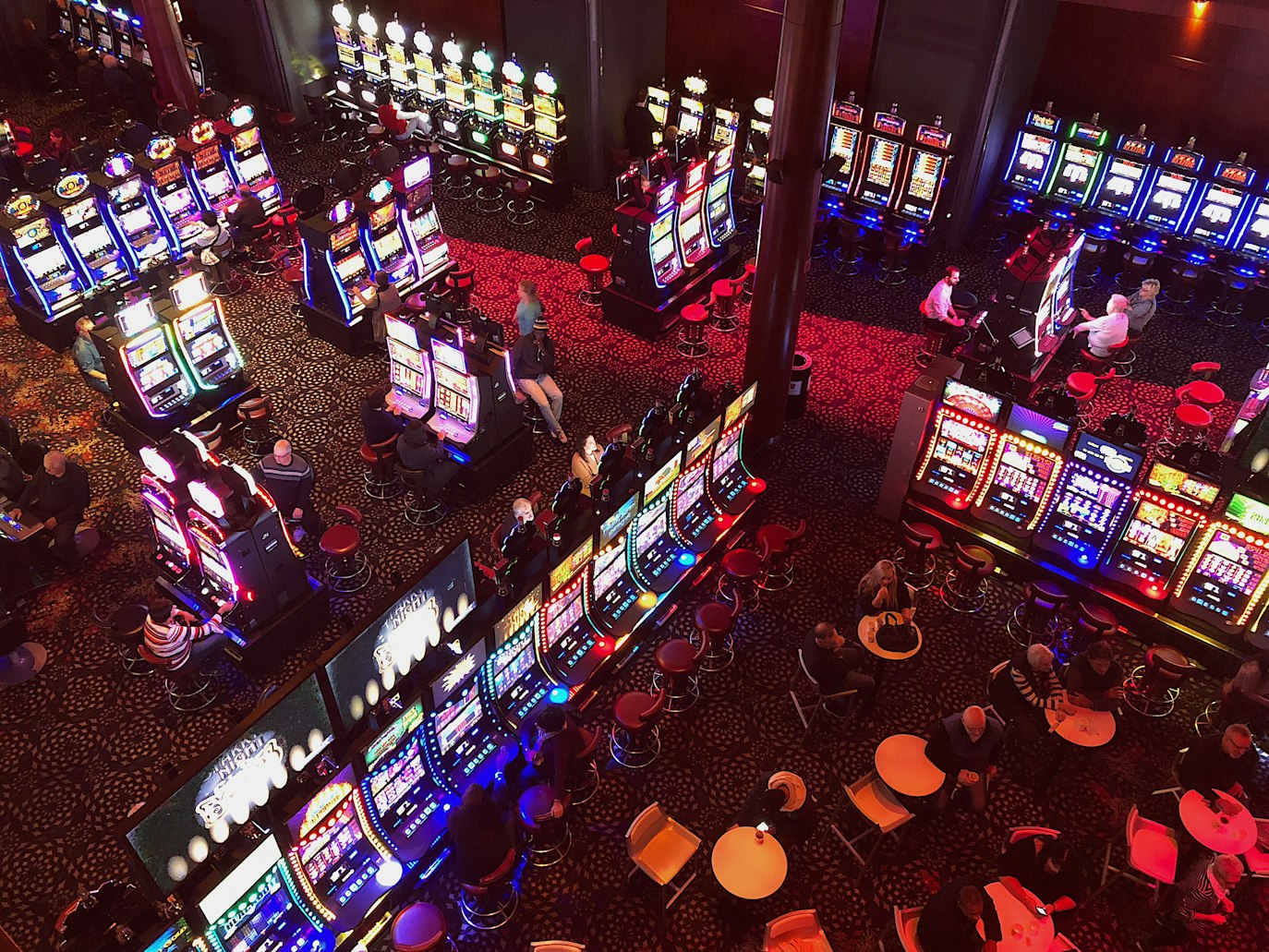
Our website serves as a valuable resource for those seeking information on gambling and its psychological effects. We are dedicated to providing insights and educational content to help individuals navigate the complexities of gambling responsibly. Through expert reviews, articles, and support resources, we aim to empower players to make informed decisions about their gambling habits.
By raising awareness about the psychological impacts of gambling, we hope to contribute to a safer gaming environment. Whether you are a casual player or someone seeking assistance, our platform offers the information needed to approach gambling with caution and understanding.
“`